Best Skincare for Menopausal Skin
As menopause marks a new chapter in life, it brings notable changes for women. Did you know this period of transformation, where female hormone levels dramatically fluctuate, also impacts your skin? The complex problems that menopause triggers within the skin may feel challenging.
What skin changes coincide with menopause?
- Skin that feels less supple
- Crepey texture
- Dullness or discolourations
- Skin that has become more sensitive
- Increased breakouts
- Skin that feels drier or dehydrated
- Skin loses elasticity
Thankfully, research now offers clear insights on how to manage common skin challenges. Whether you’re looking for preventive measures or ways to address menopausal skin issues, here’s what you need to know to keep your skin healthy and resilient.
How do Phytoestrogens work?
Many of the changes your skin will go through during menopause can be attributed to estrogen loss. This rapid decline affects skin’s elasticity, texture, density, resilience, hydration, and suppleness — all of which ultimately lead to crepe-textured skin that loses its “bounce”. Shockingly, collagen can decrease as much as 30% in the first few years of menopause, causing the skin to become thinner, weaker, and more prone to sensitivity and signs of environmental damage.
Non-hormonal topical phytoestrogens are particularly helpful skincare ingredients to consider before and during this time. But what are phytoestrogens? Simply put, they’re plant compounds that play a strong role in helping a plant thrive. They signal the plant to behave in a specific way based on what’s happening externally.
Research shows phytoestrogens safely bind with connecting sites known as beta receptors in the skin’s surface layers. Once this connection is made, such as from using a non-hormonal phytoestrogen cream, it supports the areas that estrogen loss has affected in a way that other cosmetic ingredients cannot. They can also positively affect skin’s collagen and help restore youthful elasticity.
Phytoestrogen Skincare
Examples of phytoestrogens to look for in skincare include:
- Genistein (derived from soy)
- Daidzein (derived from soy)
- Equol (a by-product of daidzein)
- Black cohosh
- Flaxseed oil
- Pomegranate
- Bakuchiol
- Resveratrol
- Peas
Non-hormonal soy-derived natural phytoestrogens are paired with other proven ingredients such as flax, vitamin E, and resveratrol to improve the look of skin elasticity, crepey texture and signs of aging that coincide with estrogen decline.
Beyond Phytoestrogen Skincare for Transitional Menopausal Skin
When it comes to other menopausal skin concerns beyond what a phytoestrogen face cream or phytoestrogen body cream targets, the key is to pay attention to your skin’s specific needs. Remember that sunscreen and the use of other important anti-aging skincare products are a critical component to any skincare routine. For the best results, a topical phytoestrogen product should be combined with other anti-aging products that contain superhero ingredients such as retinol, bakuchiol, vitamin C, peptides, niacinamide, BHA, and AHA.
The traditional “one-size-fits-all” approach of rich, heavy creams for “mature skin” doesn’t suit everyone, and it often overlooks the complex variety of concerns during this phase of life.
To address these new skin challenges and concerns, adjust your routine based on your skin type plus the exact concerns you have. We also advise consulting with a board-certified dermatologist if needed. Here are some skincare tweaks to consider alongside non-hormonal topical phytoestrogen products:
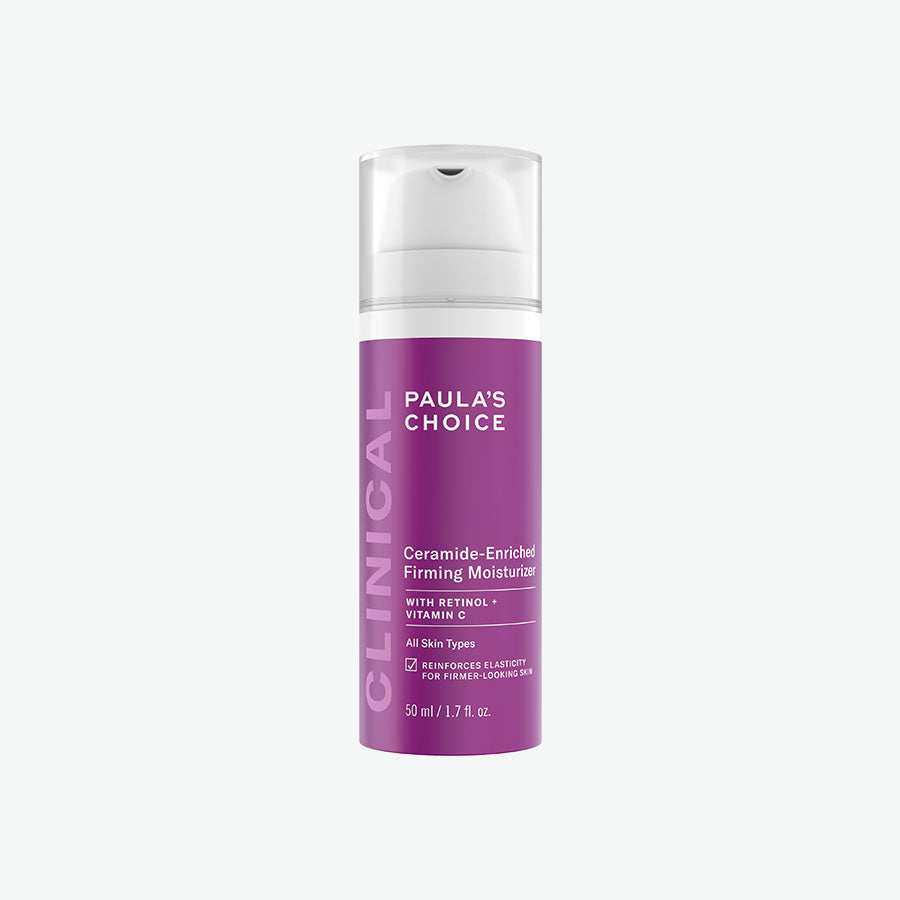
- If your skin has become drier, switch to more hydrating products enriched with skin-restoring and skin-replenishing ingredients, including various non-fragrant plant oils. You may also need a richer body cream, as skin from the neck down can become drier as well.
- If your skin has become more sensitive, look for ultra-soothing, ultra-gentle formulas with ingredient blends that are specially designed for temperamental skin and redness. This means choosing fragrance-free skincare.
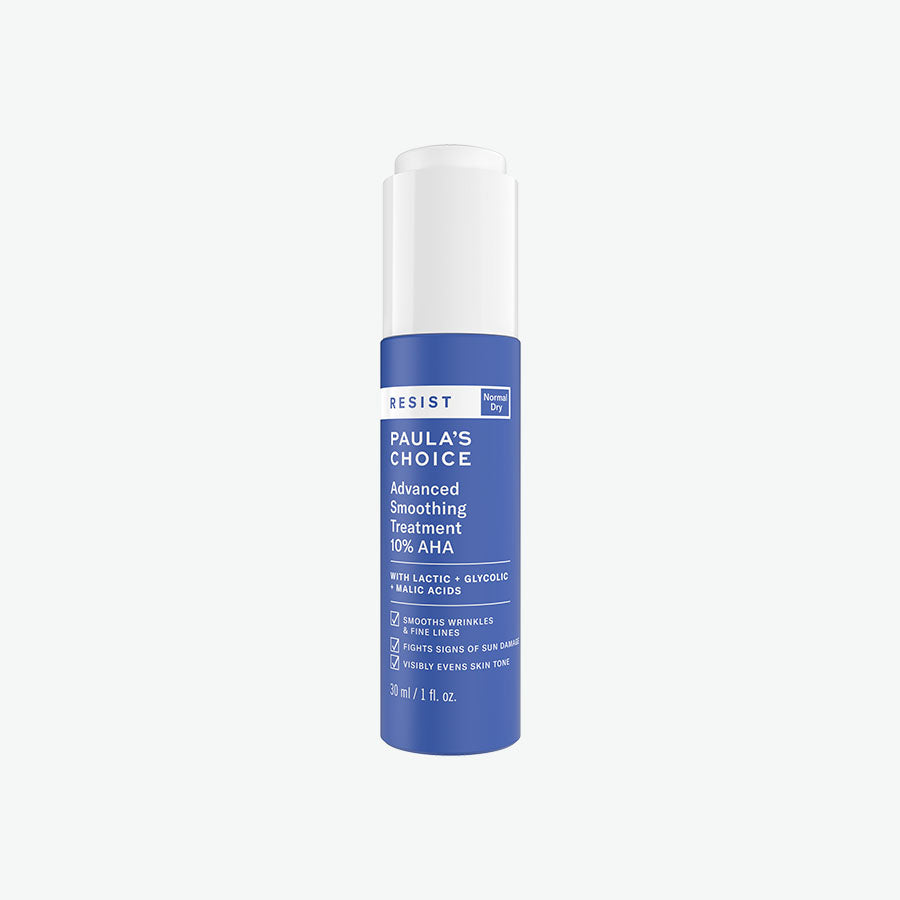
- If your complexion appears to be more dull or uneven in tone, use a leave-on AHA (alpha hydroxy acid) or BHA (beta hydroxy acid) exfoliant to remove built-up layers of dead skin and reveal the supple, smooth skin hiding beneath. After this important step, follow with products containing ingredients proven to brighten and even skin tone like vitamin C, azelaic acid, or tranexamic acid.
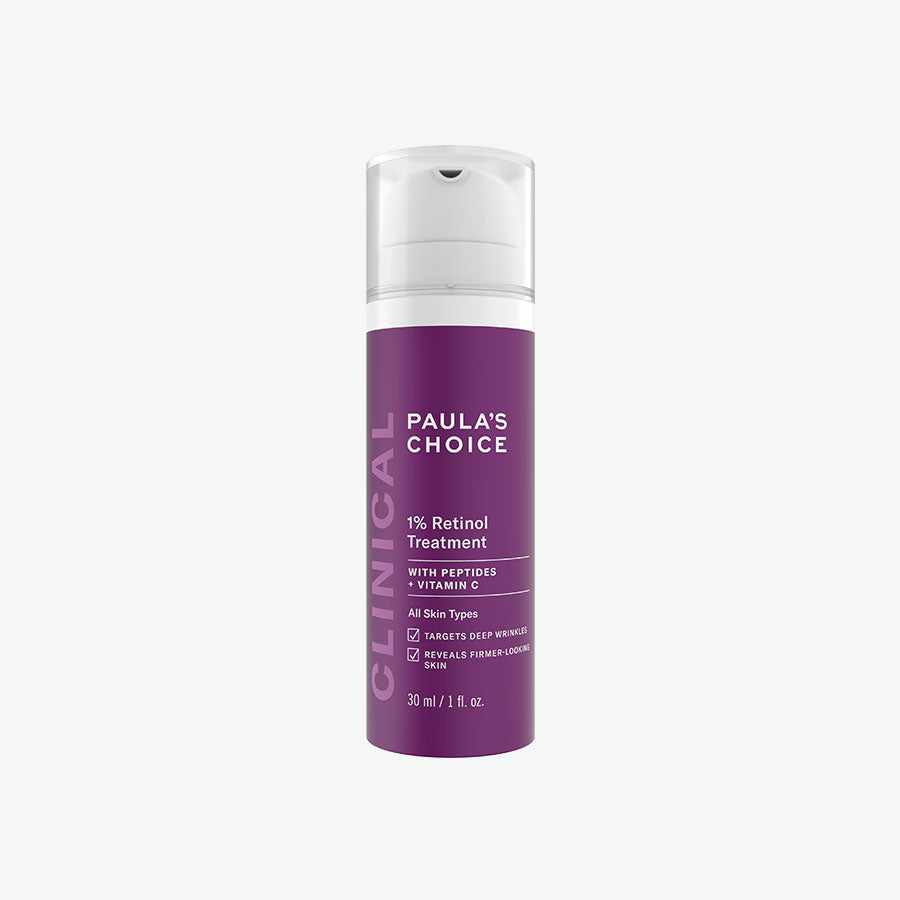
- If you want to target wrinkles, consider the anti-aging superstar ingredient, retinol. In addition to the phytoestrogens benefits mentioned above, retinol can improve the appearance of fine lines, loss of firmness, and other significant signs of aging.
- If your enlarged pores have given way to orange-peel textured skin, use concentrated niacinamide to tighten, smooth, and minimise pores.
The Myth of Menopausal Skin Breakouts
You may also experience breakouts during menopause (and perimenopause). It’s a complete myth that acne disappears after young adulthood. It’s also not a given that skin always becomes dry during this time, so if your skin bucks that convention, you need to know how to handle it.
Acne treatment during menopause should start with a non-drying, fragrance-free cleanser that gently removes excess oil and debris without stripping skin. Follow that with a proven anti-acne ingredient such as salicylic acid, also known as BHA. Consider adding a retinol product to further tackle the issue if you’re facing stubborn breakouts. If you’re experiencing dryness and breakouts at the same time, an oil-free moisturizer layered over a lightweight hydrating serum can be helpful to add hydration without the risk of clogging pores.
Learn more about anti-aging skincare.
Shop Paula’s Choice Singapore for more anti-aging skincare products.
References for this information
- International Journal of Women’s Dermatology, June 2019, pages 85–90
- Journal of Drugs in Dermatology, November 2018, pages 1186–1189
- Open Access Macedonian Journal of Medical Sciences, February 2019, page 495-499
- International Journal of Cosmetic Science, October 2017, pages 535-542
- Dermatology and Therapy, February 2021, pages 53-69
- Dermato-Endocrinology, February 2013, pages 264-270